
For an Australian café, restaurant, retailer or service business, cafe pos system is an operational decision rather than a hardware purchase in isolation. The setup affects checkout speed, staff training, reporting, product management and how easily a business can add more counters or locations.
GetZinga’s business stack brings together in-store payments, POS, online ordering and related tools. Its current POS pages emphasise fast checkout, products, staff access, reporting and a setup that can start small and expand, which gives this article a practical small-business focus.
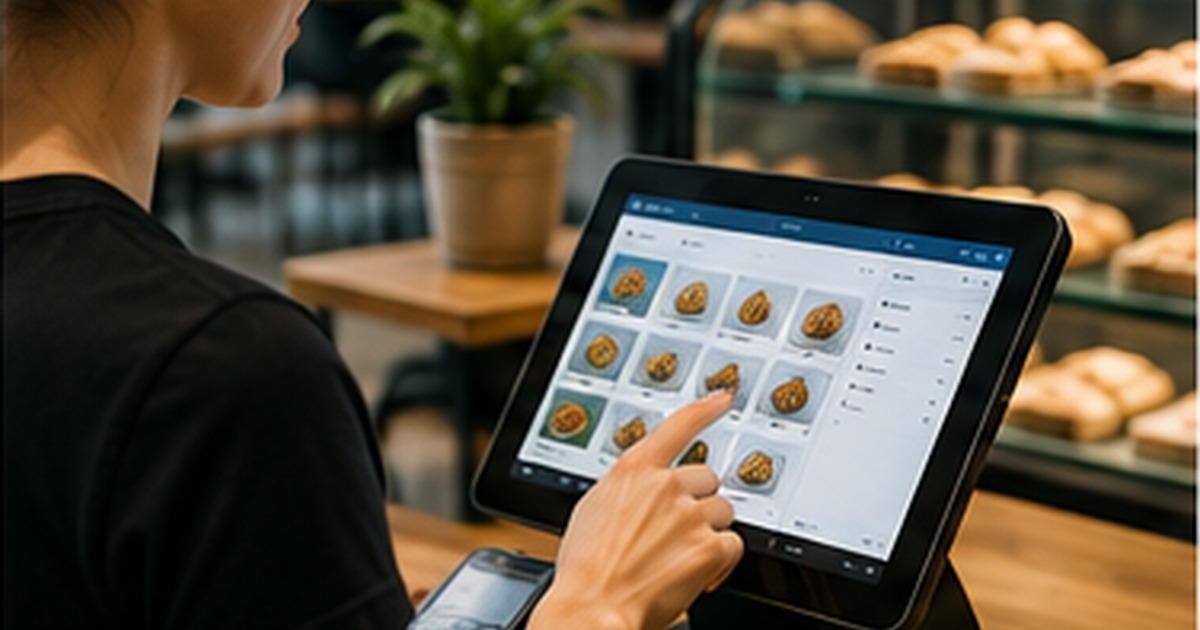
A café POS earns its keep during the morning rush. Staff need quick item selection, straightforward modifiers, fast payment and a clear way to see what sold. The system should also be simple enough for new or casual employees to learn without slowing down the counter.
Related searches such as café POS Australia, hospitality POS and coffee shop POS often reflect the same underlying decision. People are not only looking for cafe pos system; they are trying to understand cost, workflow, suitability and what they need to do next. That is why this guide also covers fast checkout and café sales reporting where they are relevant, without forcing every variation into the copy.
In this guide
Why This Decision Matters
A payment or POS setup affects more than the moment a card is tapped. It can influence queue length, staff confidence, product accuracy, end-of-day reporting and how much manual work is required to reconcile sales.
The primary keyword cafe pos system often looks like a product search, but the better way to evaluate it is to start with the outcome. Ask what needs to become faster, clearer, cheaper or easier to manage. That prevents a feature list from taking over the decision before the real requirement is understood.
A café POS earns its keep during the morning rush. Staff need quick item selection, straightforward modifiers, fast payment and a clear way to see what sold. The system should also be simple enough for new or casual employees to learn without slowing down the counter.
How the Process Works
A useful workflow should be easy to explain to a first-time user and predictable enough to repeat. The core steps are:
- Map the current checkout and ordering workflow
- Choose hardware and software that fit the counter
- Set up products, staff and payment methods
- Train the team and test real transactions
- Review reporting, fees and bottlenecks after launch
The exact screens or controls can differ by provider, but the principle stays the same: each step should reduce uncertainty. If staff or customers regularly need workarounds, screenshots, handwritten notes or repeated support, the workflow deserves another look.

What to Compare Before You Choose
When comparing options, separate the decision into practical layers rather than using one headline number. Review setup effort, ongoing cost, usability, support, reporting or tracking, and how the system handles exceptions. A feature that looks impressive in a demo has little value if it does not help with the situations that happen every week.
- Clarity: Can a user understand the next step without guessing?
- Total cost: Are fees, rates, subscriptions or processing costs visible enough to compare?
- Control: Can you review important details before confirming a transaction or action?
- Repeat use: Does the setup become easier once you have used it before?
- Support: Is there a clear path to help when something does not go to plan?
For this topic, two useful secondary signals are café POS Australia and hospitality POS. They reveal whether the searcher cares most about price, speed, workflow or suitability.
Australian Use Cases and Local Business Context
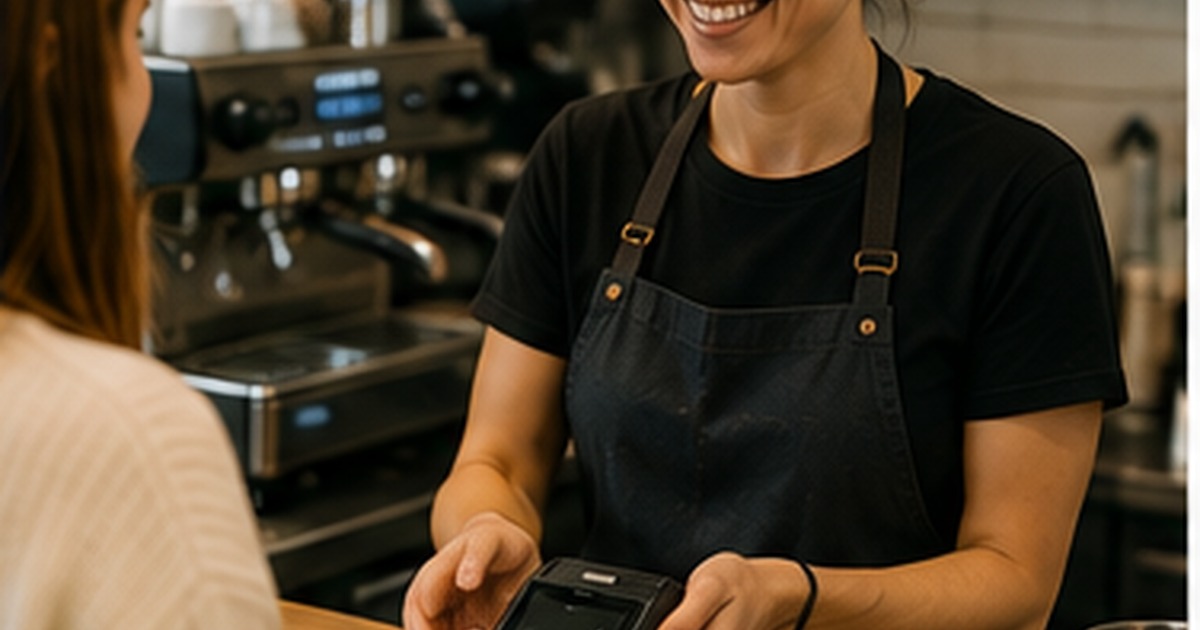
Australian small businesses vary widely: a coffee shop has different peak-hour needs from a boutique retailer or appointment-based service. The right system should match the local customer journey and be simple enough for casual or new staff to learn quickly.
Local SEO strength comes from being specific about who the service is for and the context in which it is used. Instead of repeating ‘Australia’ in every sentence, useful local relevance comes from discussing Australian payment habits, local small-business workflows, Australia-to-Thailand remittance needs, or the way Australian travellers prepare for overseas connectivity—depending on the topic.
This also helps avoid thin location pages. A page earns relevance when the examples, terminology and decision factors match the audience, not when a suburb or country name is inserted mechanically.
Common Mistakes to Avoid
Most problems appear because a decision was made on one attractive feature while the full workflow was ignored. Common examples include:
- Choosing on monthly price alone
- Ignoring transaction fees and hardware needs
- Buying features staff will not use
- Failing to test busy-period workflows
- Using separate systems that create duplicate data entry
The fix is usually straightforward: slow the decision down long enough to map the real process, identify the few details that affect outcomes, and test the system with a realistic transaction or busy-period scenario before relying on it every day.
A Practical Checklist
Use this checklist before committing:
- Define the main job the product or service must perform.
- Check the important secondary needs, including coffee shop POS and fast checkout.
- Confirm current pricing, fees, rates, plan limits or data allowance where relevant.
- Test the flow from a first-time user’s point of view.
- Check what happens when details change, a transaction fails or a booking/order needs editing.
- Confirm support options and keep key confirmations or records.
- Review whether the setup can grow without forcing a complete replacement.
A checklist is useful because it turns a broad search into a decision you can verify. It also helps compare providers on the same criteria instead of reacting to whichever feature is presented most prominently.
How GetZinga Fits the Use Case
GetZinga’s current business pages position POS and payments for cafés, restaurants, bars, takeaway, retail and services. The POS covers products, staff access and reporting, while the payment page focuses on in-store checkout and scaling across counters or locations.
For the current product details, use POS. You can also review Payment and Online Ordering. If your situation is unusual or you need help before getting started, Pricing is the safer next step than relying on an old article or screenshot.
Map the Counter Before You Buy the Technology
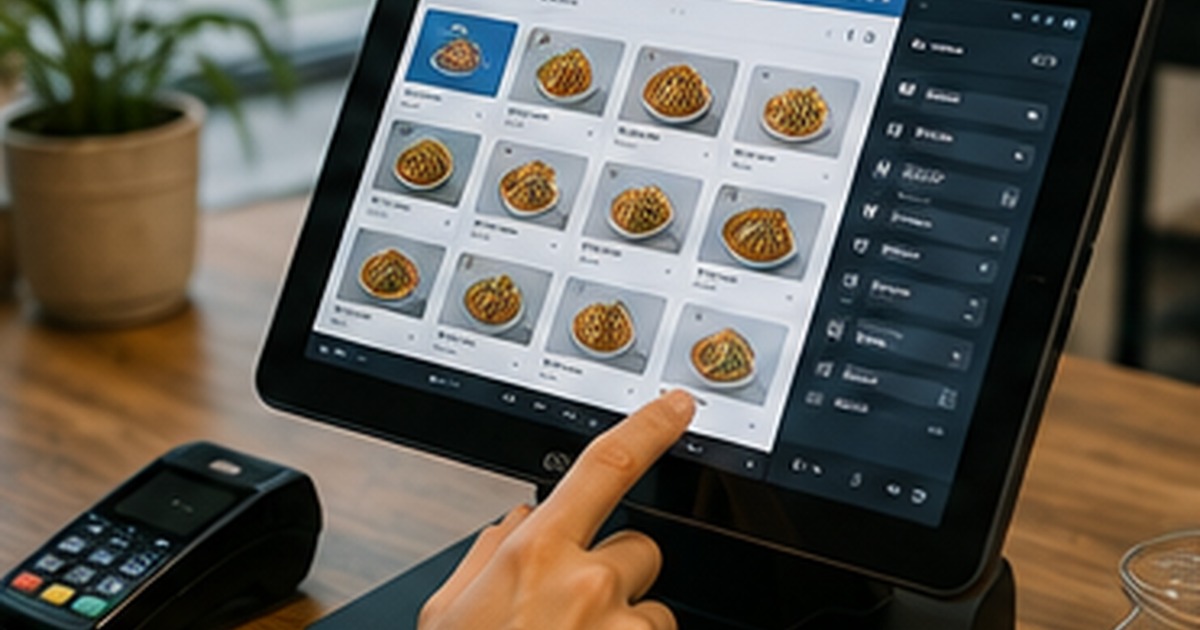
Small businesses often evaluate POS from screenshots, but the better test is the counter itself. Write down what happens from the moment a customer is ready to buy until the transaction is recorded and the customer leaves. Include product selection, modifiers, discounts, payment, receipt, order routing and end-of-day reporting. The shorter and clearer that path is, the easier staff training becomes.
For hospitality, peak periods expose weaknesses quickly. A café may process many low-value transactions in a short window, while a restaurant needs orders to reach the right preparation area with accurate notes. Retail may need product organisation and returns. Service businesses may connect sales with appointments. These differences are why a single ‘best POS’ ranking can be misleading.
Cost should be modelled against real volume. Monthly software, terminal rental, transaction percentage, online-payment rates and optional integrations can all affect the result. Current GetZinga pricing should be checked on the live Pricing page because rates and plans are commercial information that may change.
Frequently Asked Questions
What should a small business compare first?
Start with the actual checkout or service workflow, then compare hardware, software, fees, reporting and support.
Should I choose POS only on price?
No. A cheaper setup can become expensive if it slows staff, creates manual admin or lacks the features you need.
Can GetZinga scale beyond one counter?
Its current business pages describe starting small and expanding across counters or locations as the business grows.
Where should I check current pricing?
Use GetZinga’s live Pricing page because plans and transaction rates can change over time.
Final Takeaway
The best approach to cafe pos system is to make the decision around the real outcome rather than a headline feature. Check the workflow, total cost or value, practical fit and what happens after the first successful use.
If GetZinga matches your use case, start with POS and verify the current details before committing. For business products, review live pricing and book a demo where appropriate; for app features, use the current app and support information. This keeps the article useful even as rates, plans and offers evolve.